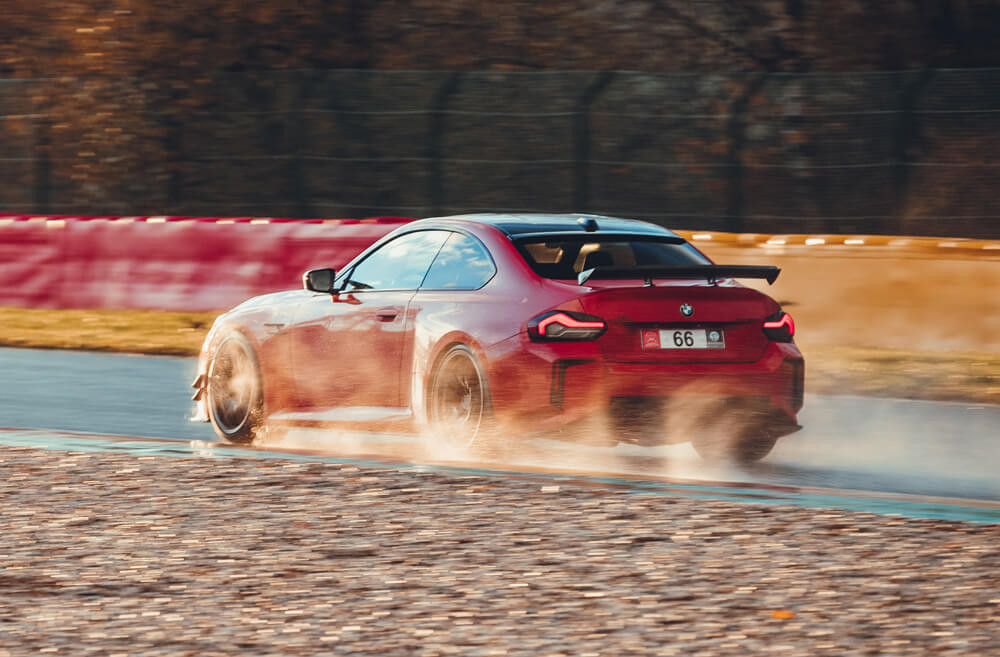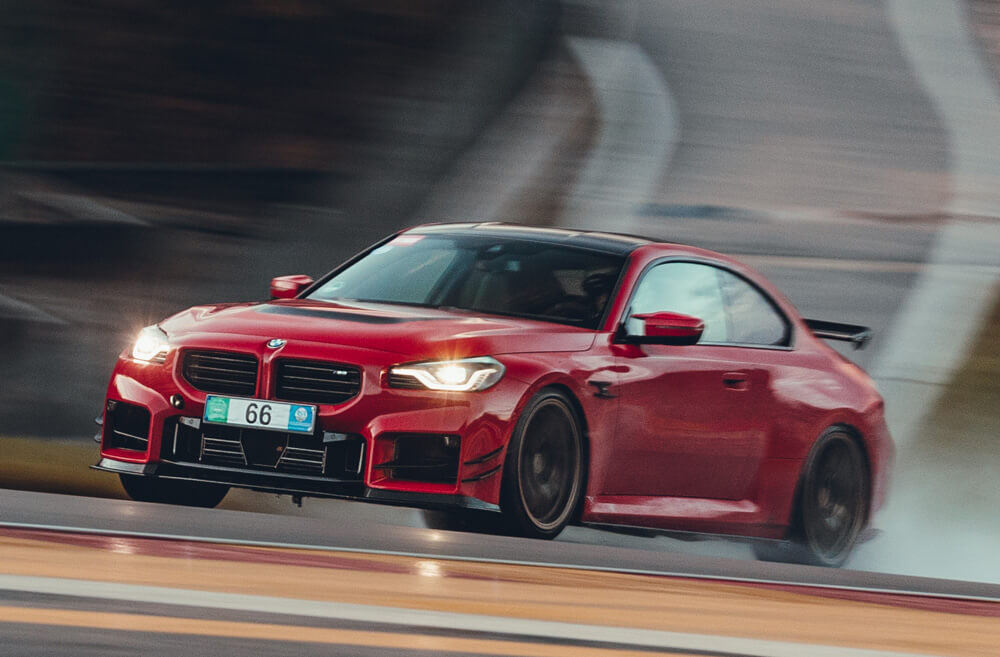
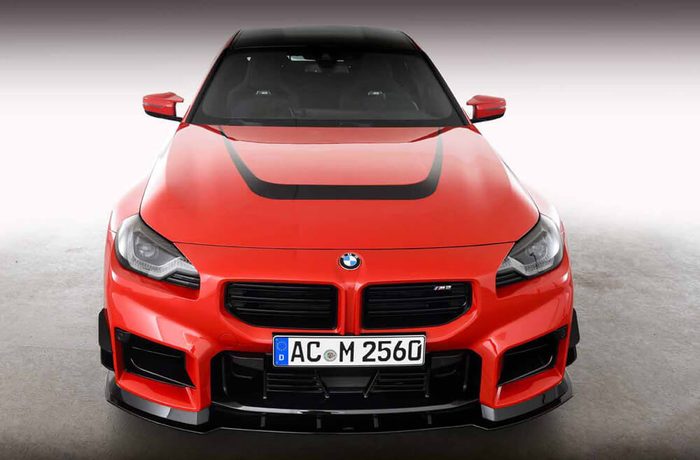
There isn’t much complicated about the basic idea behind the BMW M2. Put a big six-cylinder engine into BMW’s smallest M coupe, send the power to the rear-biased drivetrain and try not to add too much weight or technology along the way.
AC Schnitzer seems perfectly happy with that recipe.
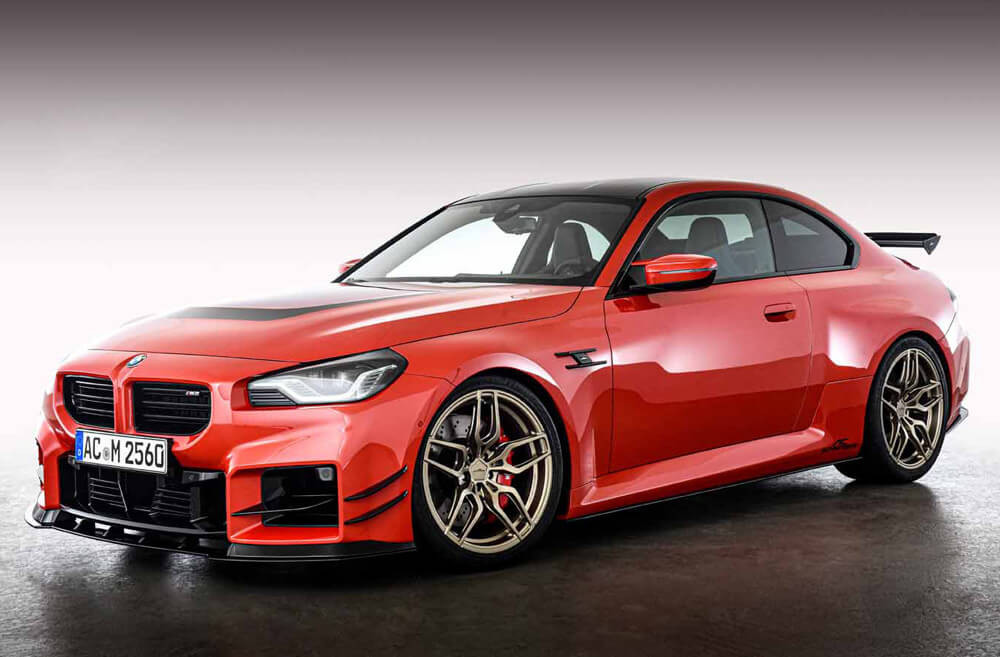
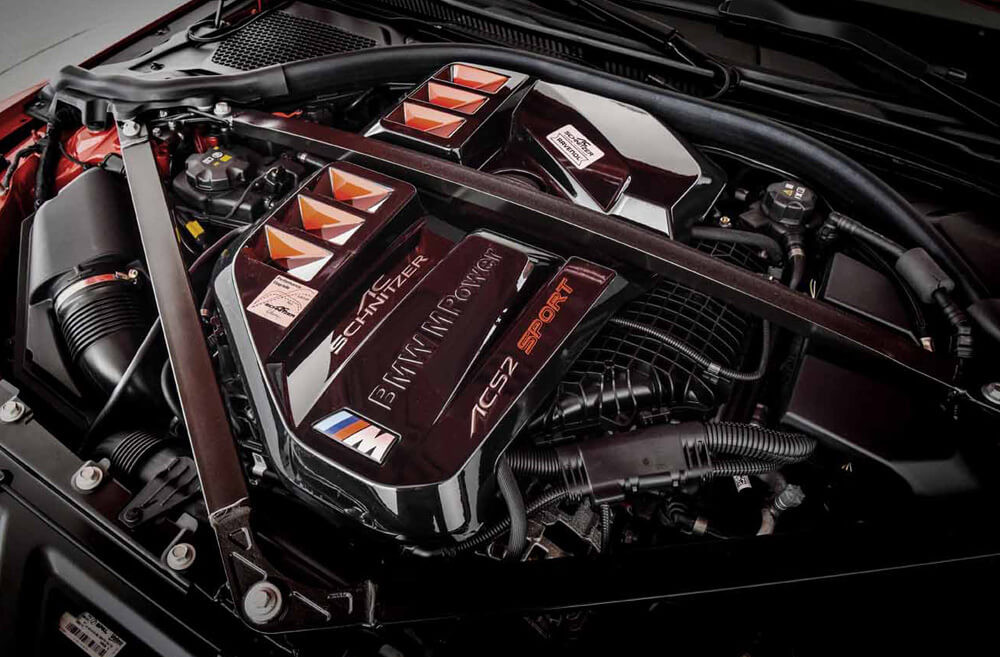
Its program for the current G87 M2 doesn’t attempt to turn the car into something exotic. The familiar 3.0-liter twin-turbo S58 straight-six stays where it is, but AC Schnitzer can take output to around 600 hp, depending on the starting specification. The upgrade is currently listed at €5,990 including German VAT and comes with German homologation, so this isn’t one of those tuning packages that makes sense only if the car spends its life on a trailer between track days.
And 600 hp in an M2 is plenty.
A couple of generations ago, that sort of output belonged to serious supercars. Now we’re talking about it in a compact BMW coupe that can still be ordered with the sort of hardware enthusiasts have been asking manufacturers not to kill off.
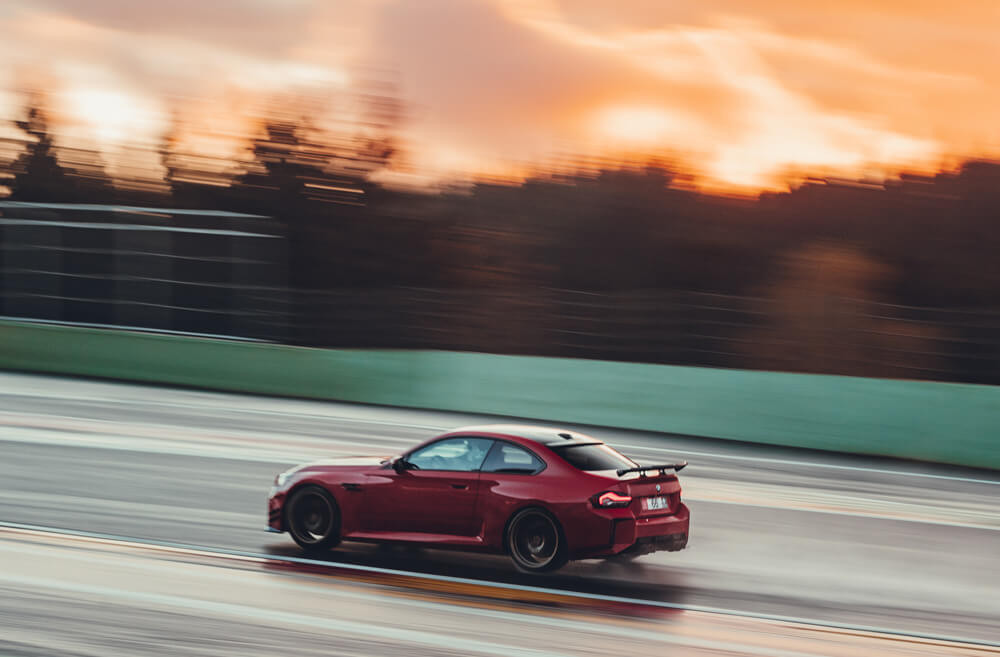
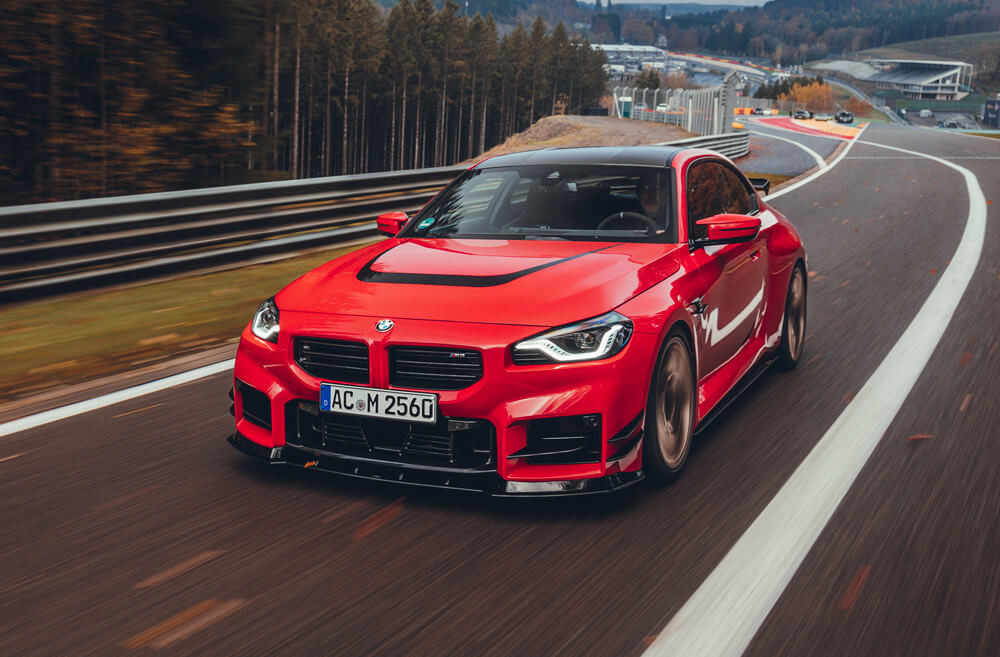
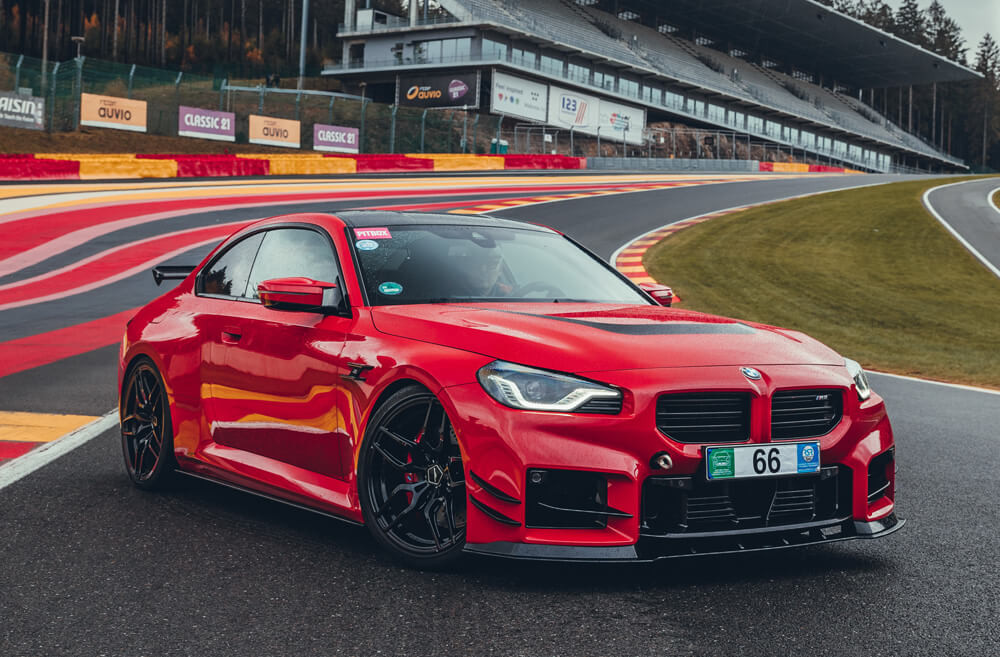
Power isn’t the whole package, either. AC Schnitzer has spent time developing the G87 on tracks including Spa-Francorchamps, and much of the work has gone into the suspension and chassis rather than simply chasing a better dyno sheet. That’s probably the right priority with an M2. Making it faster in a straight line isn’t particularly difficult; making it sharper without turning every rough road into punishment is considerably harder.
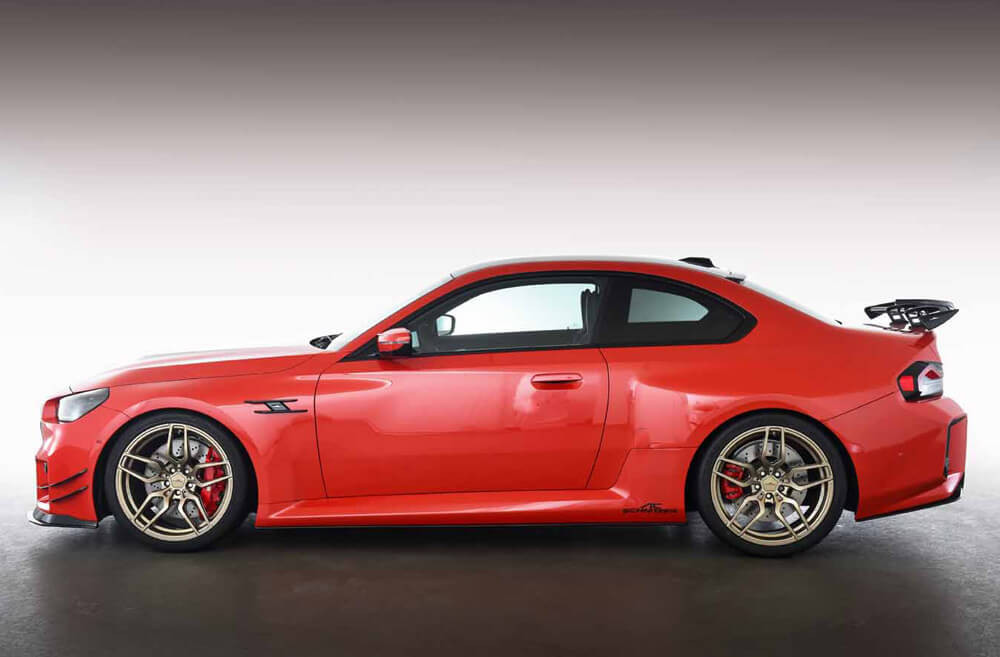
Then there is the way it looks.
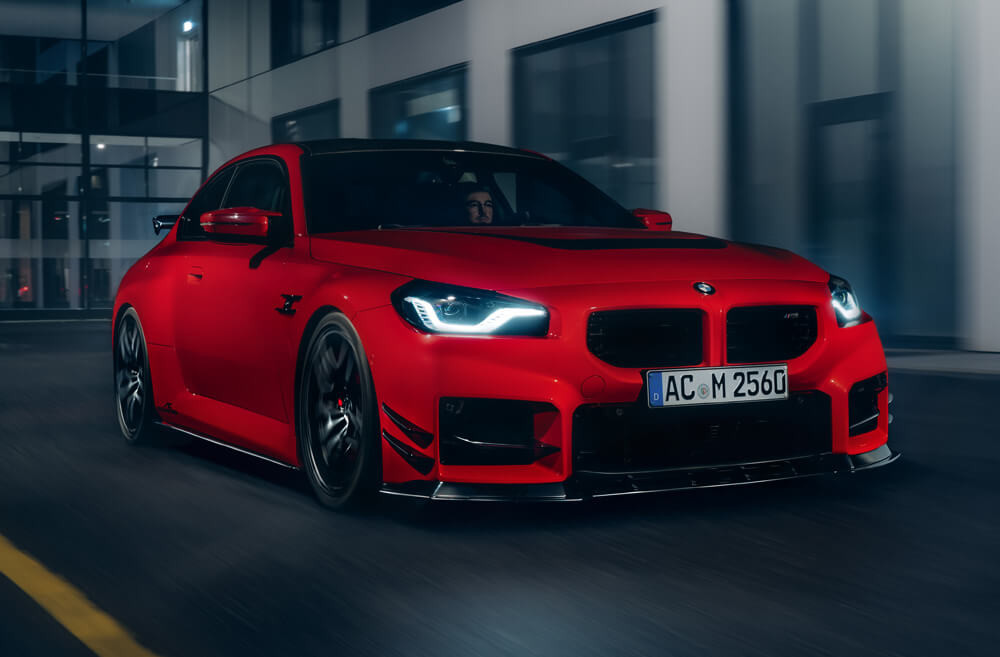
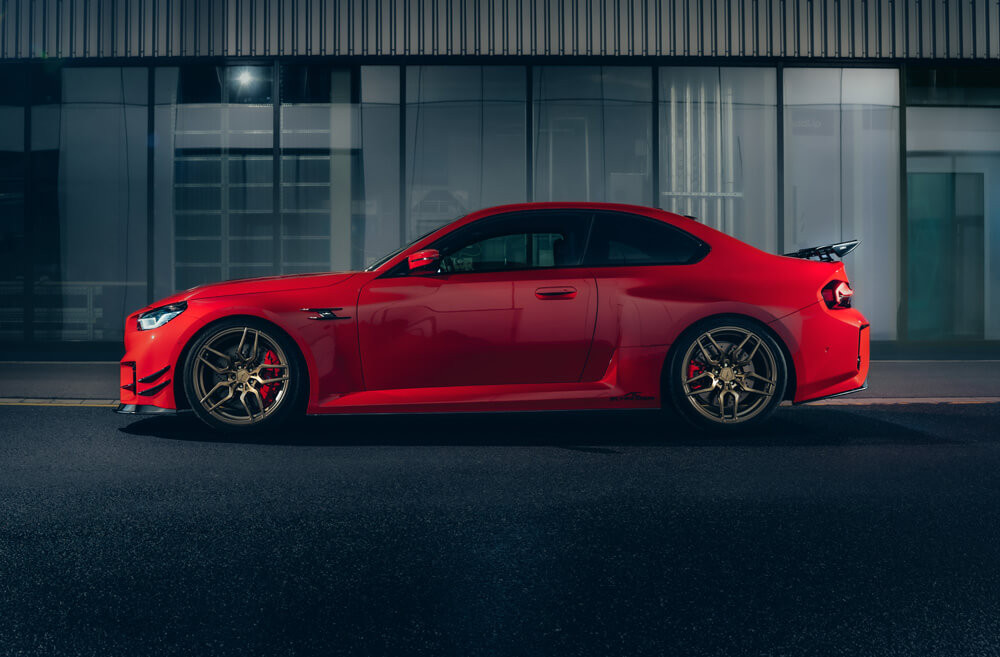
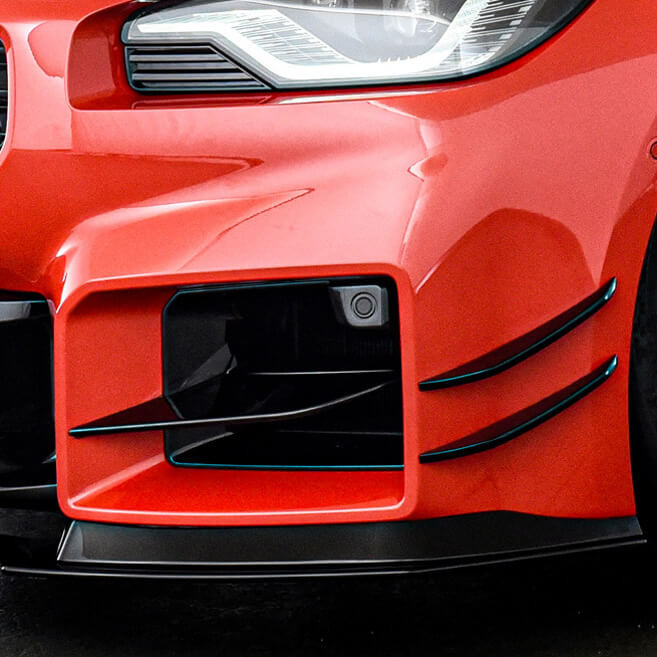
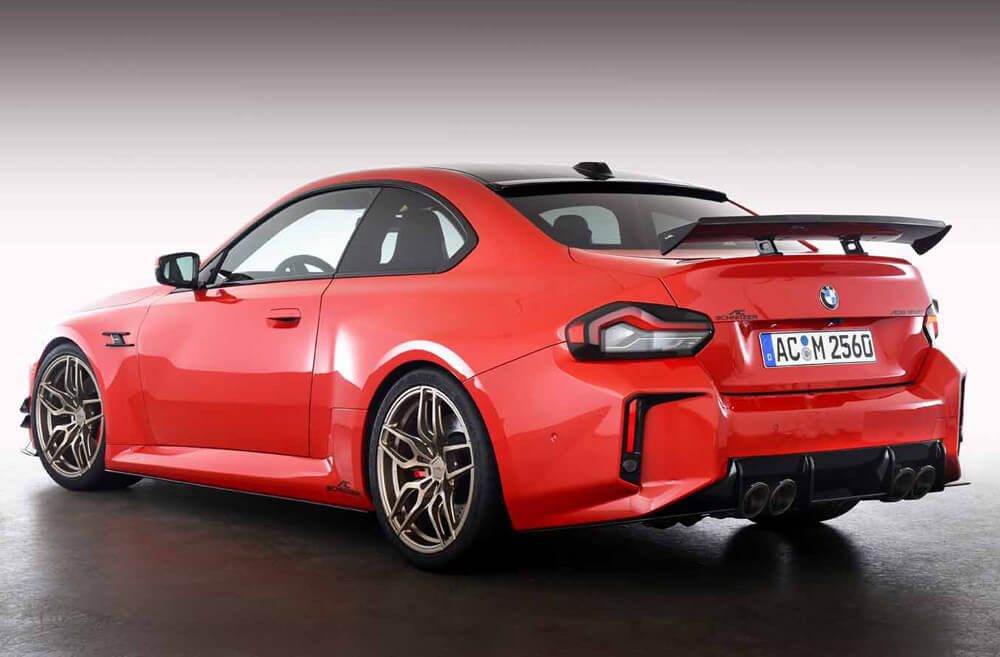
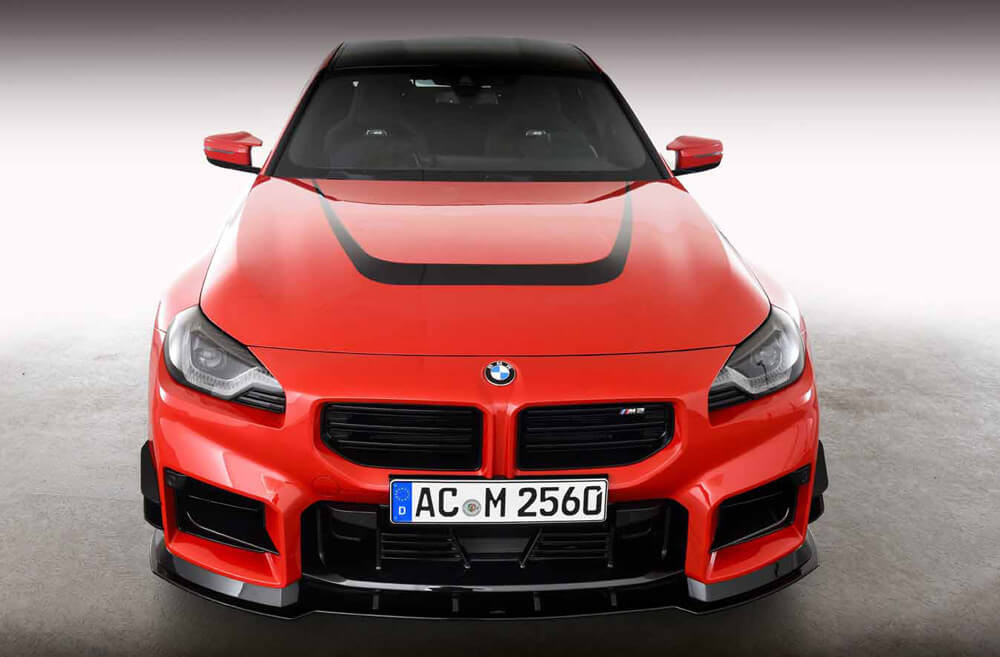
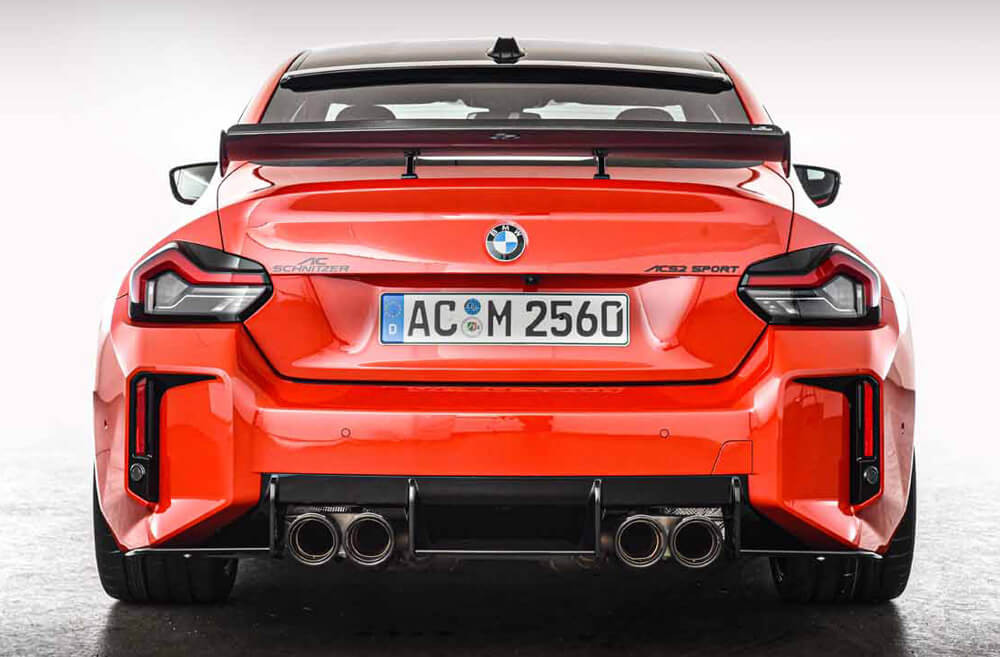
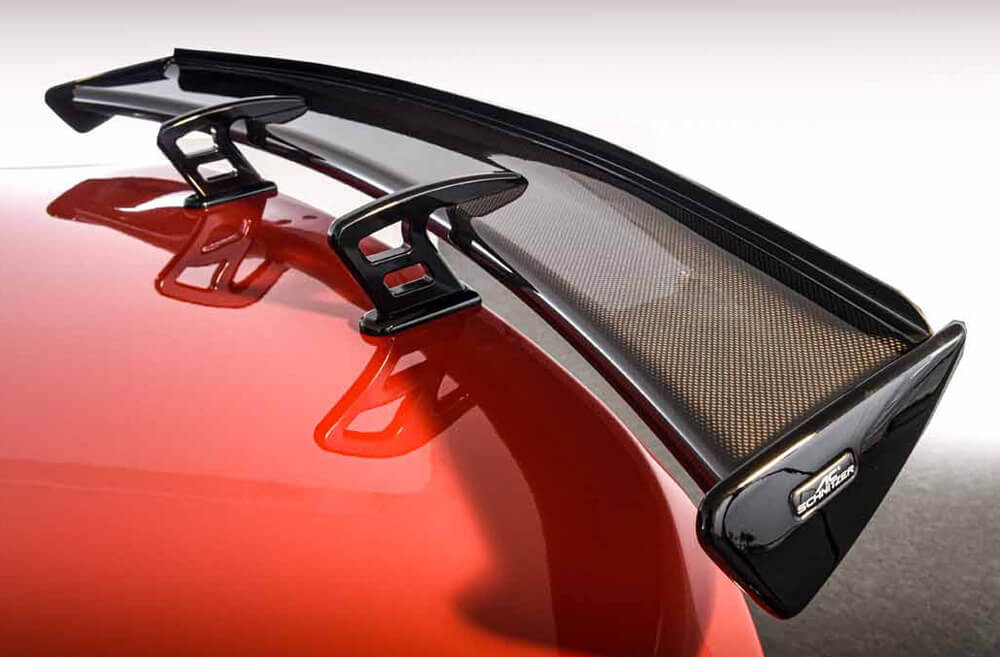
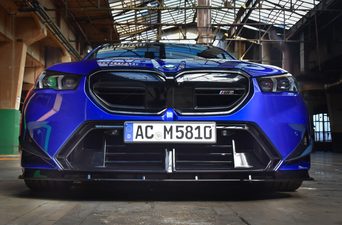
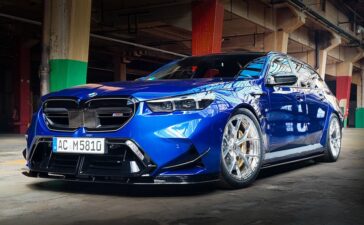
The standard G87 has never exactly been a shy piece of design, and throwing another dozen vents at it would have been an easy way to make things worse. AC Schnitzer adds a front splitter, side elements, rear aero parts and a larger spoiler, with several wheel designs available to finish the car off. Lowering the suspension also helps the proportions, especially around the arches.
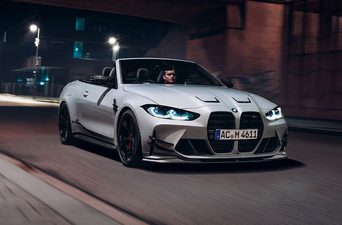
It’s obviously tuned, but it hasn’t become a caricature of an M2.
That shouldn’t be a particularly impressive achievement. Spend five minutes looking through the more extreme end of the tuning industry and it starts to feel like one.
The rest of the mechanical recipe is similarly familiar. There are exhaust options, suspension upgrades and aerodynamic components rather than some complicated attempt to electrify the drivetrain or completely change how the car behaves. You can start with the power upgrade and stop there, or keep going until the finished M2 looks much closer to AC Schnitzer’s complete demonstrator.
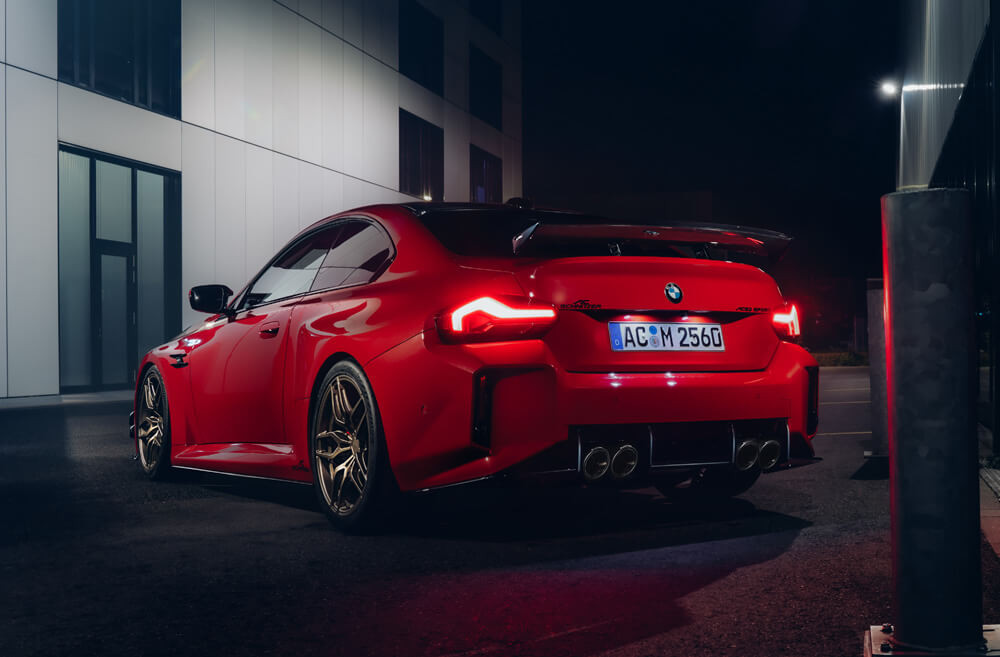
I suspect the latter is where the package makes the most sense. Paying nearly €6,000 just to see a larger horsepower number isn’t difficult to question, particularly when a standard M2 is hardly short of performance. Combine the extra output with a chassis that can actually use it, though, and the argument becomes easier.
AC Schnitzer already sells 610-hp upgrades for the M3 and M4, so there isn’t even much bragging-rights value in turning the M2 into a 600-hp car. Its bigger brothers can still claim the larger number. Good.
The M2 doesn’t really need to beat them at that game. Part of its appeal has always come from packing serious M hardware into the smaller, slightly less grown-up member of the family, and AC Schnitzer hasn’t forgotten that while modifying it.
It just gave the troublemaker another hundred or so horsepower.